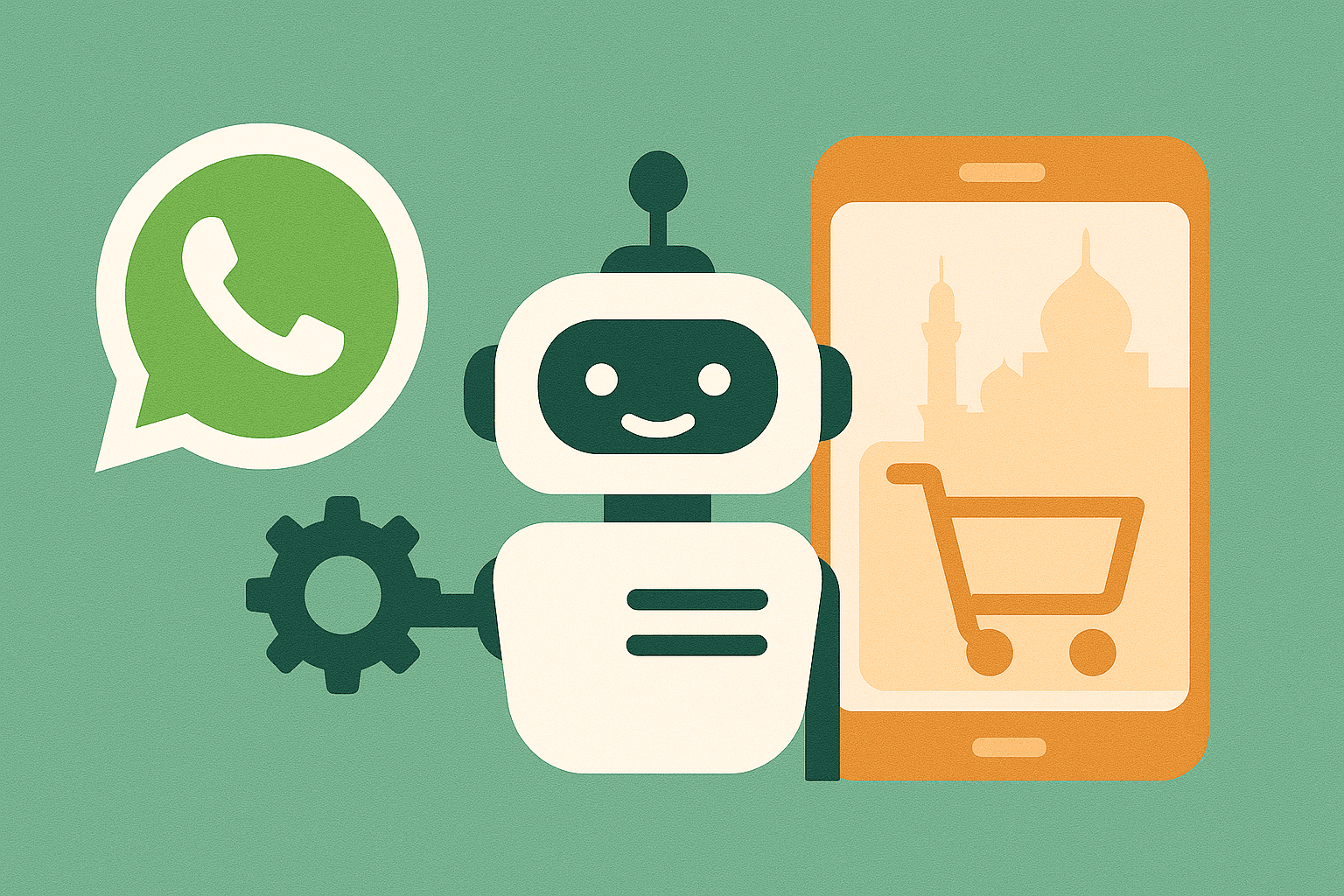
In the UAE, business runs on WhatsApp. From initial inquiries to final sales, it's the go-to communication tool for millions. But as your business grows, managing these chats manually becomes a bottleneck that costs you time and sales.
Automating your WhatsApp channel with a bot is the next operational leap. Here’s a quick guide to getting started.
Key Use Cases for a WhatsApp Bot
A well-designed bot can handle repetitive tasks 24/7, freeing up your team to focus on high-value conversations.
- ✓ Order Intake: Guide customers through product selection and capture delivery details.
- ✓ Automated Support: Instantly answer frequently asked questions (FAQs).
- ✓ Payment Reminders & Links: Send automated reminders for abandoned carts or pending invoices.
- ✓ Appointment Booking: Schedule meetings or service appointments, integrating with your calendar.
The Technology You'll Need
Building a robust WhatsApp bot requires a few key components:
- Meta WhatsApp Business API: The official platform that allows you to programmatically send and receive messages.
- A Third-Party API Provider: Services like Twilio or 360dialog make it much easier to get approved for and manage the API.
- A Backend Server or Cloud Function: This is where your bot's logic lives.
Designing the Conversation Flow
The key to a successful bot is a seamless user experience that doesn't feel robotic.
- Start with a Clear Menu: Immediately present the user with clear, numbered options.
- Plan for Handoff: Create a clear and easy way for the user to be transferred to a human agent.
- Integrate with Your Systems: Connect your bot to your e-commerce platform or CRM.
The Return on Investment (ROI)
Is it worth the effort? Absolutely. A well-implemented bot can:
- Reduce manual hours spent on repetitive inquiries by over 70%.
- Eliminate missed leads by providing instant responses outside of business hours.
- Increase conversion rates by streamlining the path from inquiry to payment.