Ad-blockers are silently killing your marketing data. In 2025, over 40% of users in the UAE browse with some form of tracking protection enabled.
If you rely on traditional, client-side Google Tag Manager, you could be missing a huge chunk of your conversion data. The solution? Server-side tagging.
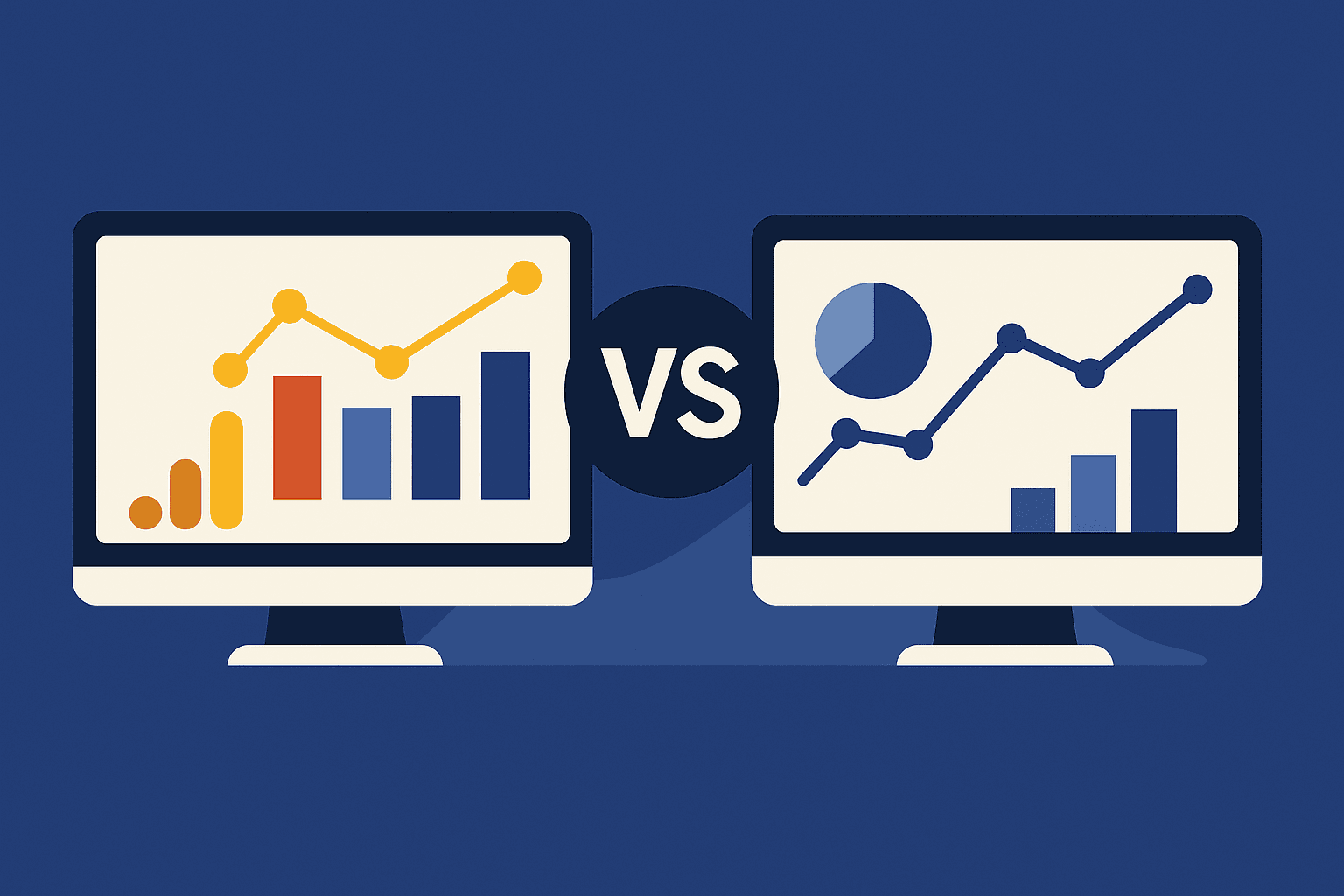
Client-Side vs. Server-Side GTM
Client-Side (The Old Way)
Your website loads dozens of third-party JavaScript snippets directly in the user's browser (Google Analytics, Meta Pixel, etc.). This is slow, inefficient, and easily blocked.
Server-Side (The New Way)
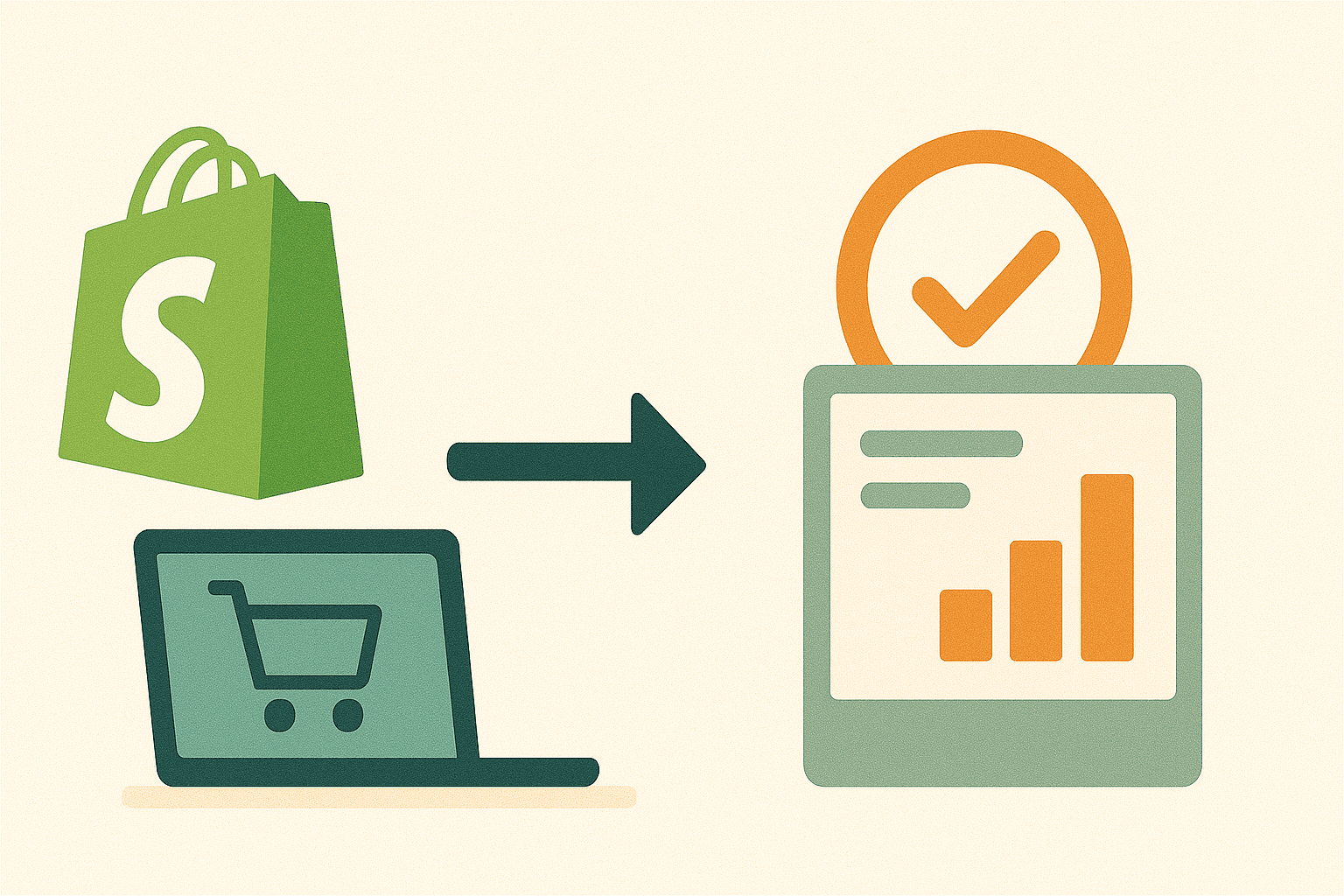
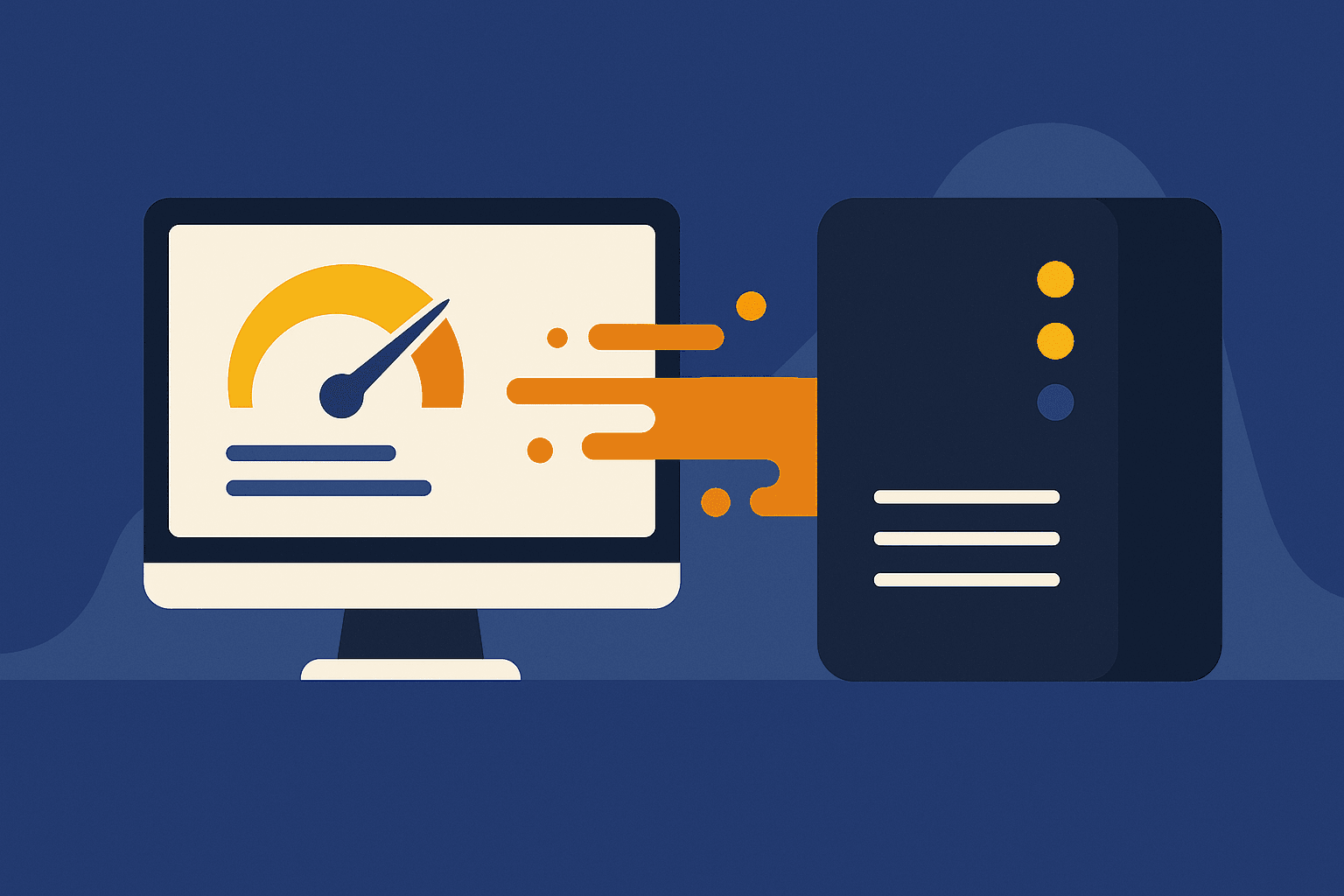
Your website sends a single, lightweight data stream to your own secure cloud container. From there, your server forwards that data to Google, Meta, and other platforms.
The result is fewer scripts, faster page loads, and far more control over your data.
The Benefits of Server-Side Tagging
Here’s why migrating makes sense for any business serious about data accuracy.
- Improved Conversion Accuracy: Bypasses most ad-blockers, giving you a much more accurate picture of your ad performance and ROI.
- Enhanced Page Speed & SEO: Fewer scripts mean a lighter, faster website. We’ve seen up to a 30% improvement in Time to Interactive (TTI).
- Greater Control and Privacy: You decide exactly what information gets sent to third-party vendors.
What About the Cost?
Yes, it costs more than the free client-side version. You should expect to pay around $20–$60 per month for the cloud server container.
However, for any business spending money on ads, the ROI is almost immediate. More accurate data leads to better ad optimization, lower CPA, and less wasted spend.